Plus Library
FHI Books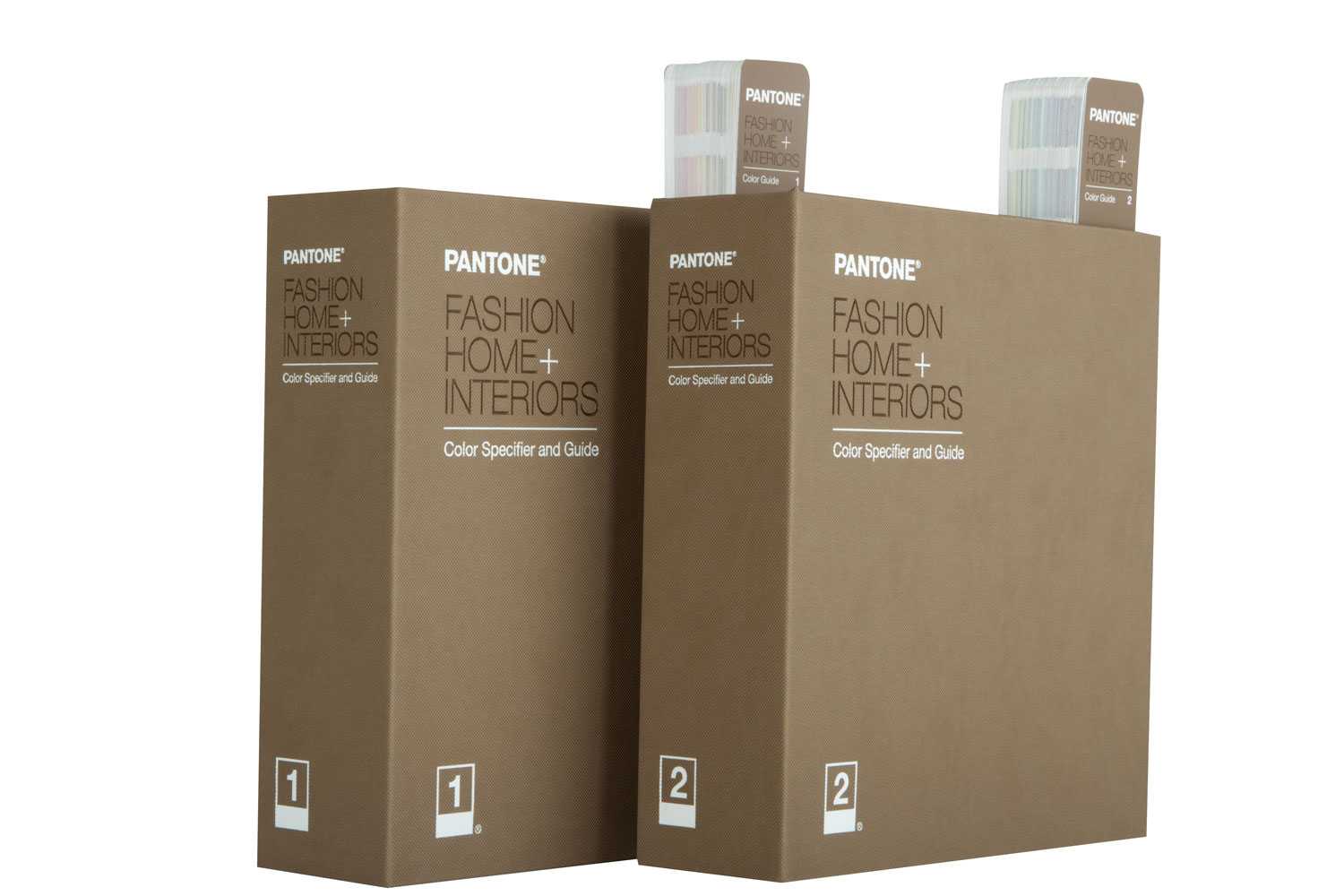
Plus Pages
Color Bridge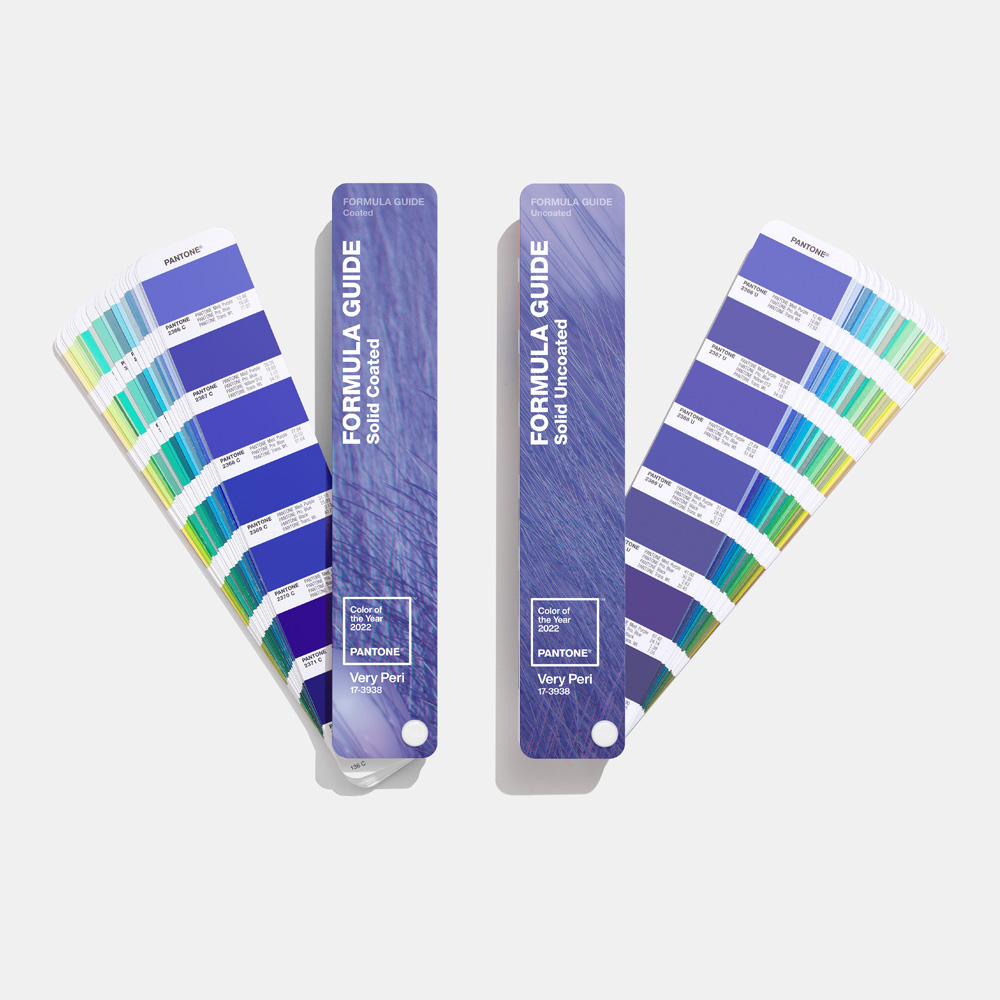
Plastics
TCX
PLUS Books
Nylon Brights
Swatch Library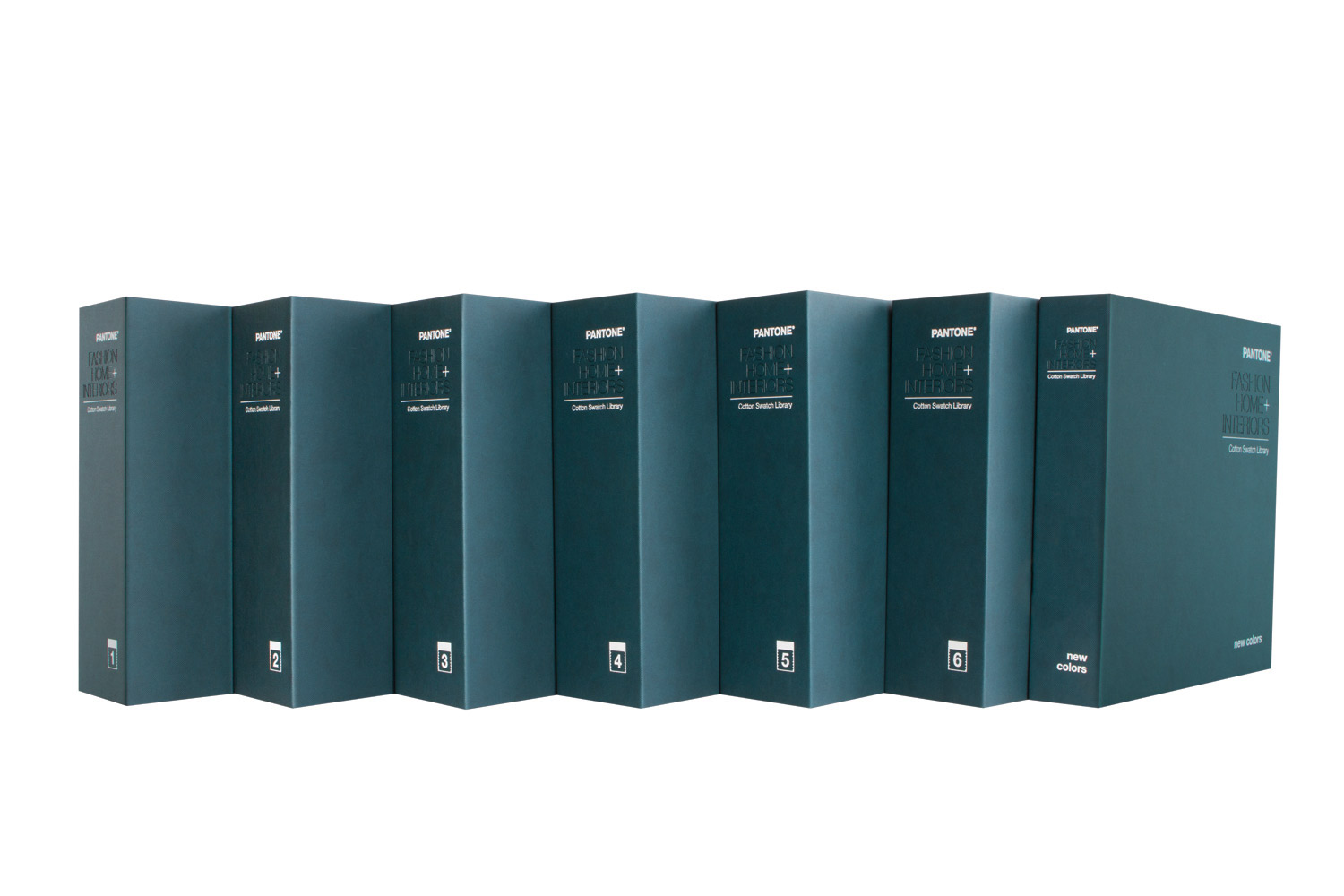
Metallics
: While VCDS-Lite is designed to be more user-friendly, some technical knowledge is still required to use it effectively and safely.
From a technical standpoint, the loader is a fascinating example of low-level software manipulation. It does not permanently alter the VCDS-Lite executable file on the hard drive. Instead, it is a "loader" in the truest sense: it launches the VCDS-Lite process in a suspended state, injects code or changes specific values in the random-access memory (RAM), and then resumes execution. The software, now running with altered memory flags, believes its licensing checks have passed successfully. This process, known as "run-time patching" or "memory cracking," is a common technique among software crackers because it avoids detection by simple file-integrity checks. For the user, the experience is seamless: they launch the loader, VCDS-Lite opens, and the keys to the kingdom appear to be in their hands.
The loader provides a fake version.dll or winmm.dll in the VCDS-Lite folder. Windows loads this fake DLL first, which intercepts API calls like GetVolumeInformation (used to generate a hardware ID) or RegOpenKeyEx (used to check registry keys), returning forged success values.
Even when "unlocked" via a loader, VCDS-Lite has inherent hardware-based limitations compared to the full VCDS software: No CAN-Bus Support
Using unofficially modified software or third-party loaders introduces severe security risks to your computer and vehicle electronics. To create a completely functional, safe, and fully active VCDS-Lite setup, follow the official procedures below. 🛠️ The Official Setup Guide 1. Download and Install the Software
to view real-time sensor data like coolant temperature or engine RPM. 4. Important Limitations Activation : In its unregistered state, some features like Basic Settings Adaptations , and full descriptions are blocked. Vehicle Compatibility : If your car is 2006 or newer, you likely need a interface to communicate via CAN-bus. Loader Usage
: Right-click the loader file in that folder and select "Send to Desktop (create shortcut)".
Here is the hard truth: