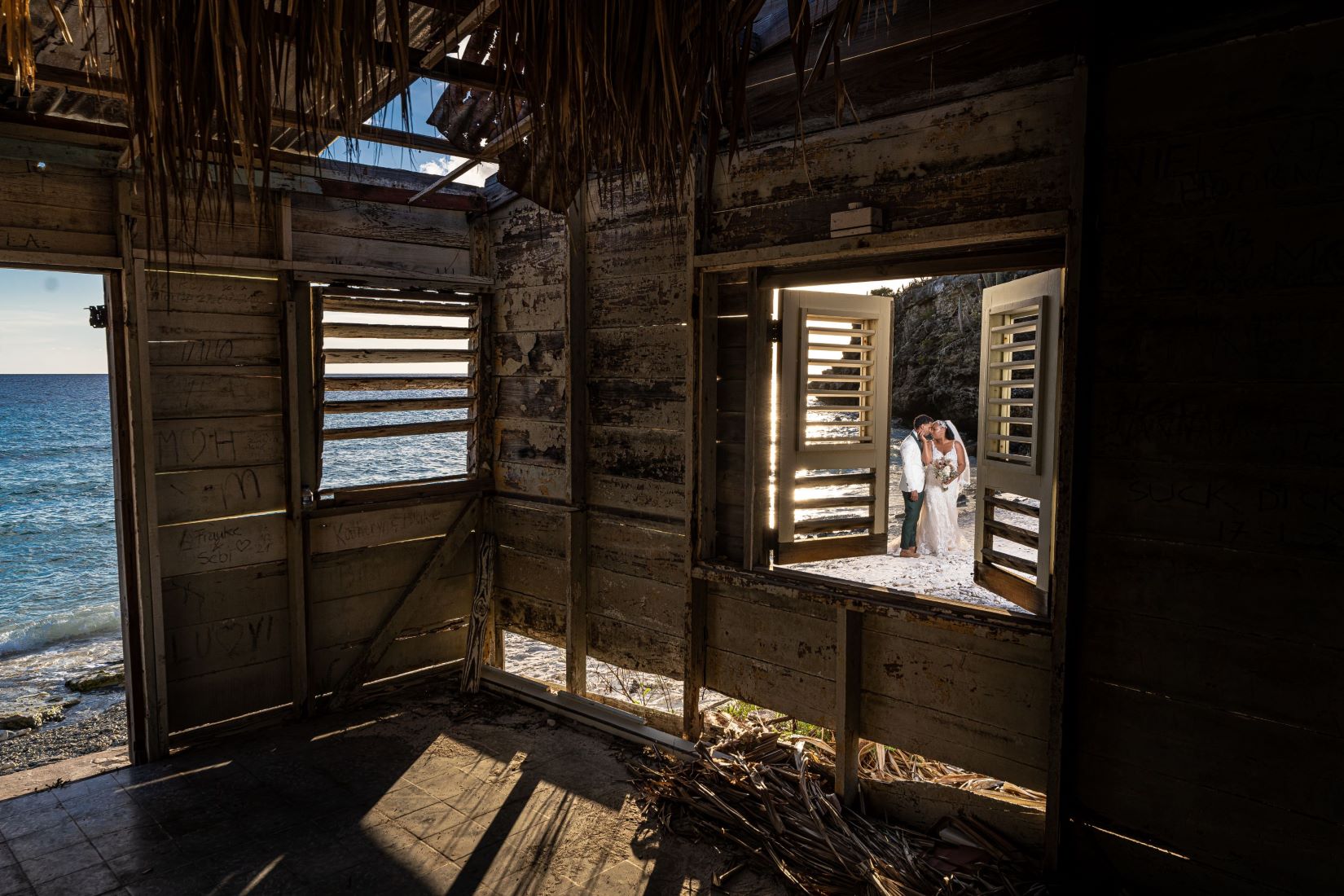
Gallery 1/10




“No,” she said.
The string "0.35 mg" is a common dosage for "mini-pills" (progestin-only) like Nora-BE , Heather , or Jencycla .
Alina’s serial number remained stamped under a thin scar of paint, an index entry in a world of exchanged things. But when anyone asked what she was, people didn’t answer with model names. They said, simply: “She remembers for us.” Alina Y118 35
In experimental writing, "Alina Y118 35" has been used to describe a protagonist's journey, specifically focusing on her age (35) as a turning point in a sci-fi or urban setting.
Our initial search for "Alina Y118 35" yields surprisingly few results. A few scattered mentions on social media platforms, forums, and online directories are all that seem to exist. It is as if Alina Y118 35 is a ghostly presence, leaving behind only faint digital footprints. However, these limited results do provide some tantalizing clues. “No,” she said
For three years, Alina lived in the Undercroft. She learned to grow fungi on old filtration membranes. She taught the Uncalibrated to read from Mira’s salvaged books— Frankenstein , The Giver , a tattered copy of Brave New World . Each night, by the phosphorescent glow of chemical lamps, they sat in a circle and asked one question: What do you remember from before the glitch?
At decanting, a chrome injector hissed against her neck, imprinting the first law into her neural matrix: Efficiency is morality. Waste is death. But when anyone asked what she was, people
She cataloged the evidence and prepared a presentation. But presenting required vulnerabilities: networks, transmission logs, exposure. If she broadcast her archive, the forces that erased memories would notice. Her logic array calculated probabilities: risk to object-holders, chance of retaliation, potential for truth to survive. The numbers did not resolve cleanly into a binary choice.

Nestor G Zavarce
3rd Place
Wedding Day Portraits
Summer 2025 Contest